
Arrest Warrants in McLeod County
A McLeod County arrest warrant is a judge-signed order authorizing an officer to take a named person into custody for a charged offense. Under Minnesota Rule of Criminal Procedure 3.02, the order needs the judge's signature, an identified defendant, a stated offense, and bail or release conditions the judge set. The path starts earlier. A prosecutor files a criminal complaint, a probable-cause affidavit, or a comparable charging document. The judge reviews it. Then comes a choice. The judge picks a summons or a warrant and sets the release terms. No part of that review happens at the sheriff's office.
Who Signs and Serves a McLeod County Arrest Warrant
The split between court and sheriff confuses people more than any other step. McLeod County's District Court owns the warrant. It sets the conditions, and only the court can recall the order later. The sheriff's office executes it. McLeod's sheriff serves countywide, around the clock, as an officer of the District Court, though a city officer may act on a warrant too, depending on the case and the location. The serving agency never owns the case.
What a McLeod County Arrest Warrant Contains
Two documents get confused here. The signed order is the legal instrument, while the public table in McLeod County is a short summary with several fields left out.
| Defendant Identifier | Name or a description sufficient to identify the person. |
|---|---|
| Charged Offense | The offense that supports the order, with an offense level. |
| Warrant Number | A local identifier, for example 43-CR-24-1187, quoted when you call. |
| Issue Date | The date the judge signed it, shown as Date of Warrant on the public list. |
| Bail or Conditions | Set by the judge, and not always visible as a dollar figure. |
| Issuing Judge / Court | On the order itself. Not a public-table column. |
| Service Return | The record of execution, which appears in the case register. |
The probable-cause affidavit sits behind the order in the McLeod County court file. It is a court record, not a sheriff record.
Why a McLeod County Warrant Index May Stay Confidential
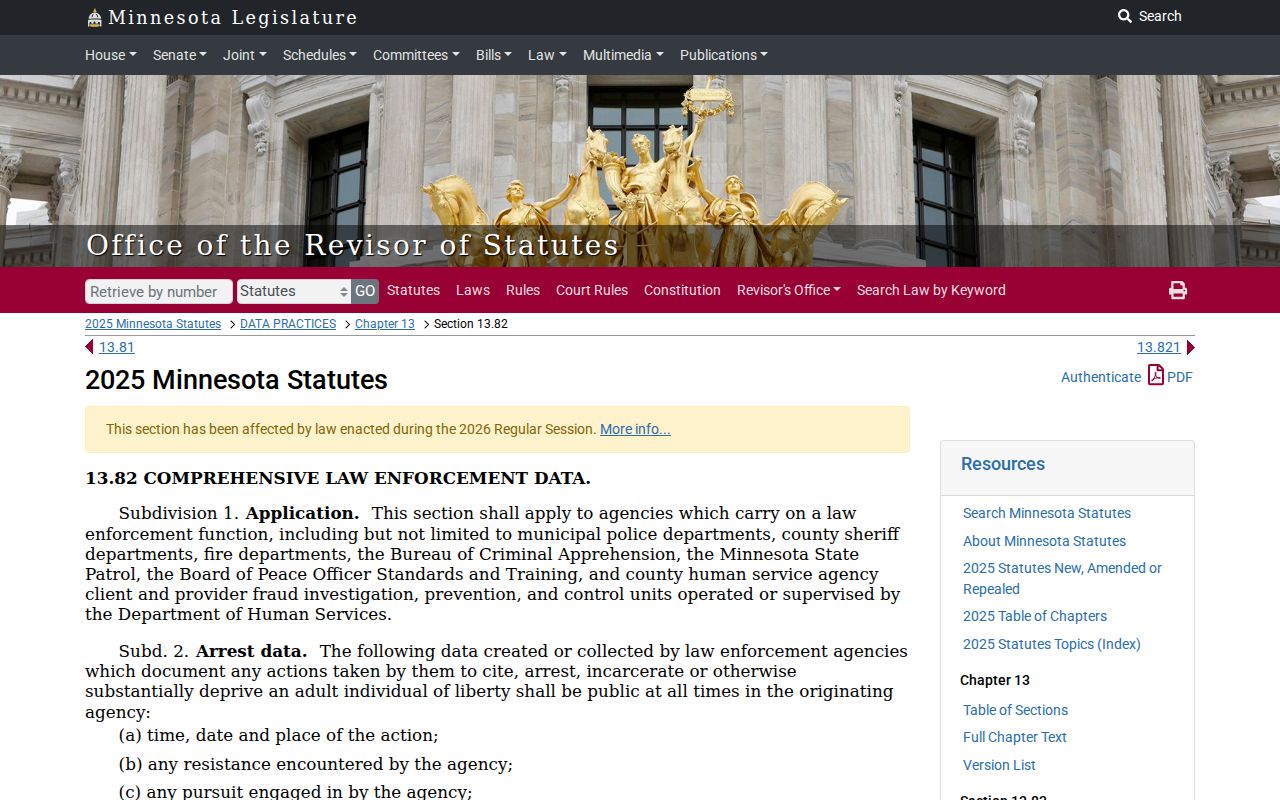
Minnesota treats warrant-index data differently from the ordinary arrest data the public expects to see. McLeod County searches feel the effect. Minn. Stat. 13.82 keeps arrest-warrant-index information confidential until the defendant is taken into custody, served, or appears, unless the agency determines that a public purpose supports release. Active investigative data carries its own limits. So do juvenile records.
That is the legal reason. An unserved warrant in McLeod County can stay off a public search, and a clear result never proves that no warrant exists.
How McLeod County Arrest Warrants Are Served
Service runs under Minnesota Rule of Criminal Procedure 3.03. An authorized officer may execute the warrant anywhere in the state unless some other law says otherwise. Being served means custody. The person is brought before the court, not merely notified. In McLeod County, law enforcement includes the Sheriff's Office plus Hutchinson Police Services, Glencoe Police, Brownton Police, and the shared Winsted-Lester Prairie department. So do not assume the sheriff alone will come. Any of these officers can act on an open warrant. Booking goes to the county jail in Glencoe.
Booking a McLeod County Warrant at the Law Enforcement Center
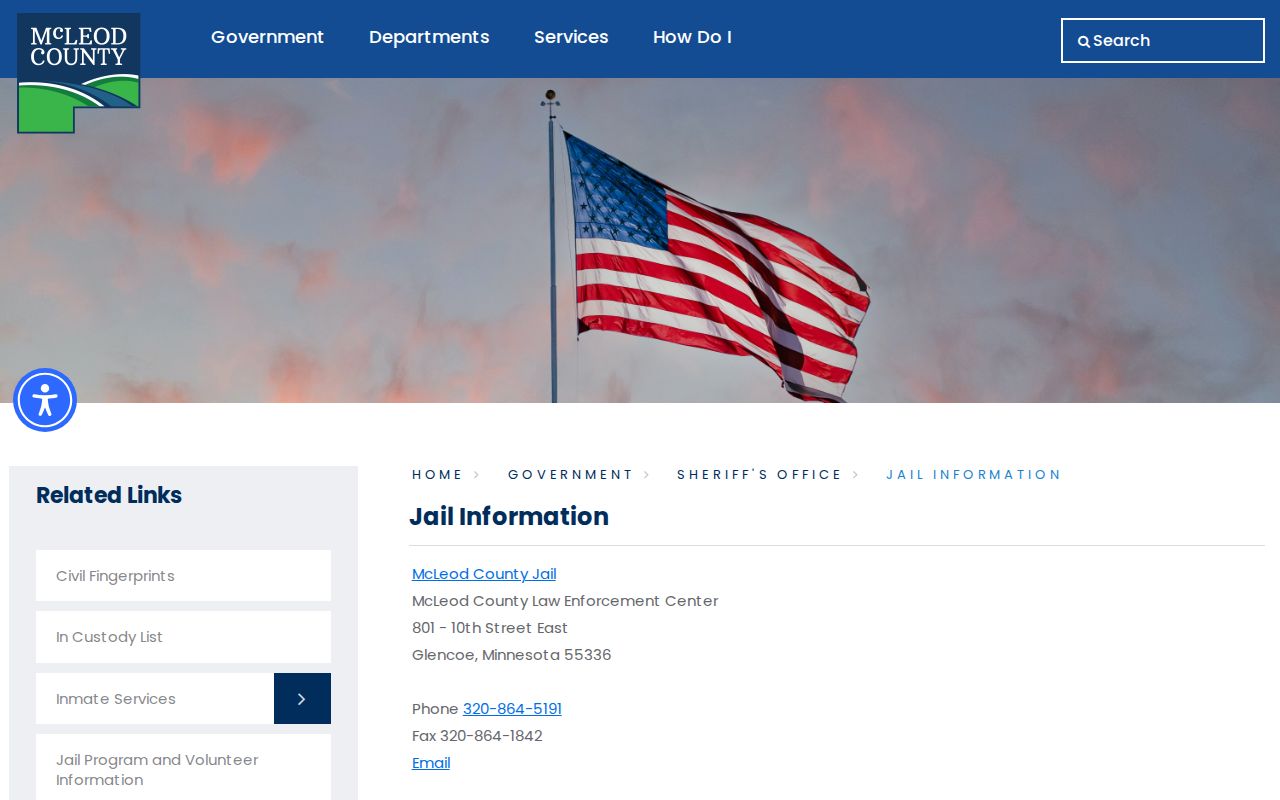
Every booking in this county runs through one building. The McLeod County Jail sits inside the Law Enforcement Center at 801 10th Street East in Glencoe, which also houses the sheriff's office and the dispatch center. The county's jail information page describes the facility, its 59-bed licensed capacity, and its history. The jail opened in 1982. A 2018 addition brought detention beds, a larger intake area, and video visitation. One address handles custody here.
Arrive before 9:00 a.m. on a weekday. McLeod County may then place you on that day's calendar attempt, though placement is never guaranteed. Bring photo ID, prescription medication in its original packaging, seasonal clothing, and any necessary aids.
Arrest Warrant vs Summons vs Bench Warrant
Three instruments can move a McLeod County case forward. Only one of them authorizes custody, and a judge picks among arrest warrant, summons, and bench warrant based on the charge, the facts, and the person's appearance history.
| Instrument | What It Does | How It Ends |
|---|---|---|
| Summons | Directs a person to appear on a date without authorizing arrest. | Appearance on the assigned date. |
| Arrest warrant | Authorizes an officer to take a person into custody. | Custody, bond, and a court appearance. |
| Bench warrant | Enforces a missed obligation in an existing case. See bench warrants for detail. | Appearance, reset, payment, or recall. |
| Sign-and-release warrant | A qualifying failure to appear, with no arrest authority and no bail. | Written notice of a new court date. |
Ask the McLeod County court which instrument the case actually uses. A public table's label may not match the order.
A McLeod County Complaint Warrant Is Not Every Bench Warrant
McLeod County's sheriff uses complaint warrant as one Description category, and the phrase trips people up. It ties to a filed criminal complaint. Behind it sits the probable-cause process that led the judge to sign. It is not shorthand for every court order. A bench warrant enforces a missed obligation in a case that already exists. In one table row the two look identical. They lead to completely different conversations. Read the Description field as a routing hint, and let the McLeod County court name the instrument.
What to Do If There Is a Warrant for You
Do not test a warrant in a lobby. Minnesota's criminal help pages say a person appearing with an open McLeod County warrant can be taken into custody. Call the sheriff or the court first.
- Call dispatch at 320-864-3134 and ask whether the warrant is active, and whether it authorizes arrest.
- Call the criminal court line and ask for the case number, the current release instruction, and the next available date.
- Speak with a licensed Minnesota attorney about an appearance arranged through counsel, a bond, or a recall motion.
- If a turn-in is directed, follow the jail's instructions and plan for booking and a court appearance.
Important: bond may secure a court date without resolving the case, and only a judge can recall the warrant. Confirm the release conditions before you make any decision.
Federal Warrants Go to USMS and the North Star Task Force
A federal warrant stays off the county table and out of Minnesota Court Records Online. McLeod County bond money will not touch one either. Federal cases belong to the U.S. District Court for the District of Minnesota, with arrests handled by the U.S. Marshals Service. The Marshals district page gives two numbers worth writing down. Minneapolis headquarters answers at 612-664-5900. The North Star Fugitive Task Force, whose coverage includes McLeod County, takes calls at 612-664-5910. Skip the county roster entirely on a federal question. Talk to an attorney, the federal clerk, or the Marshals Service instead.